The options at a glance
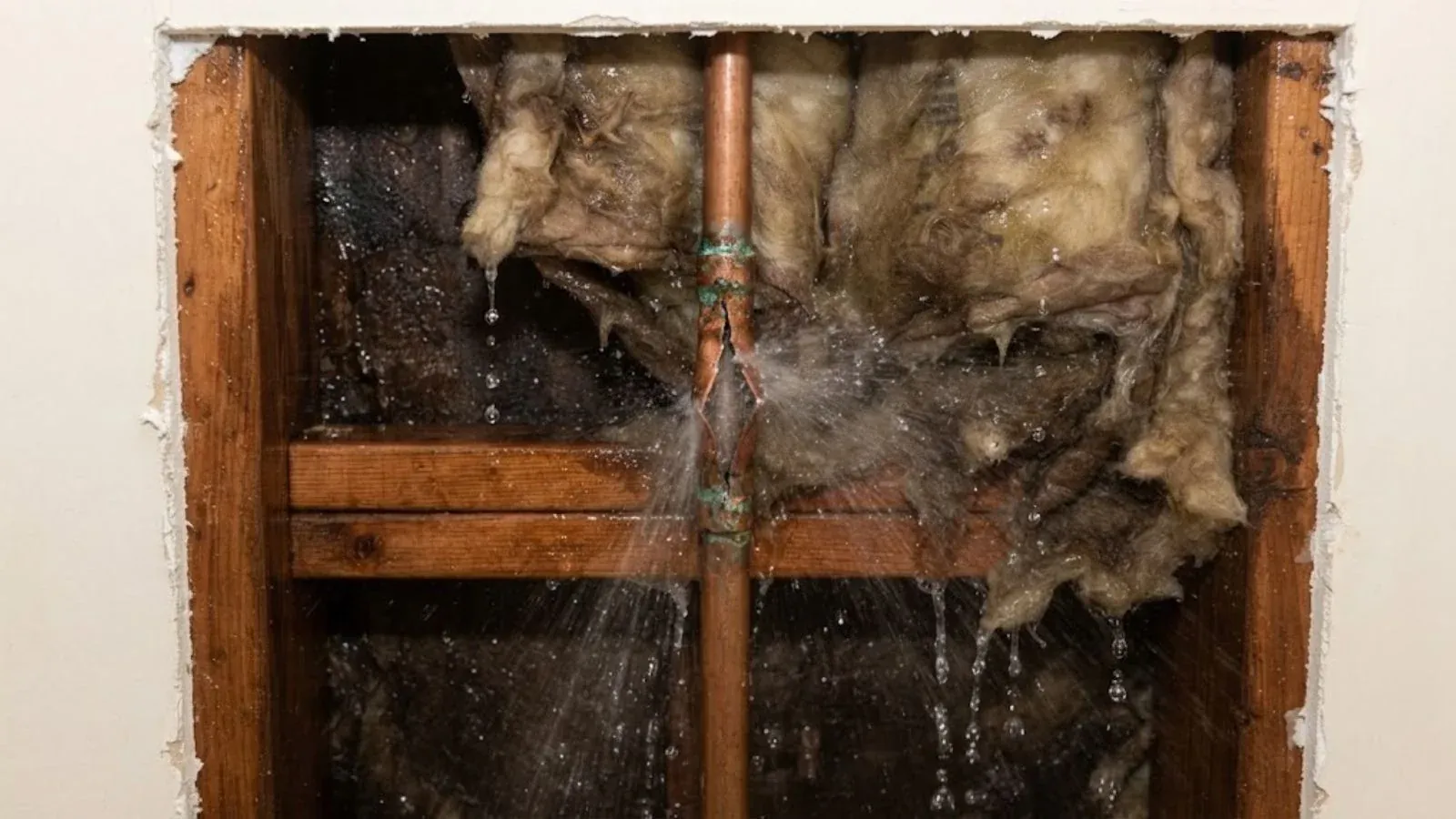
Most pipe problems end up in one of four fixes: a spot repair on a small section, replacing a longer run, rerouting around the damage, or repiping the system. Which one fits depends on the pipe material, where it sits, how much of it is worn and why it failed.
A plumber cannot always tell from a description. Wet drywall tells us water is escaping, not which fix will hold. A pressure test, a meter check or a camera look usually settles it before any cutting starts.
| Option | Good fit when | Limit |
|---|---|---|
| Spot repair with a coupling or fitting | One short failure in otherwise sound pipe | Does nothing for the rest of an aging line. |
| Section replacement | Damage spans a run, or the pipe is accessible | Needs wall, ceiling or floor access. |
| Reroute around the damage | The failed pipe is buried under a slab or hard to reach | Adds new pipe in a new path that has to be planned. |
| Repiping | Leaks keep returning in several places | A bigger job, and walls often need patching. |
| Trenchless or lining methods for drains | A buried drain is cracked but the layout is sound | Needs a camera survey first, and not every pipe qualifies. |
Start by stopping the water
- 1Shut the main valveTurn off the water where the line enters the home. Everyone in the house should know where this is.
- 2Open a low faucetDrain what is left in the lines and relieve pressure.
- 3Turn off the water heater power or gasA heater without water can overheat or burn out its element.
- 4Move belongings and soak up waterProtect furniture and electronics, and photograph the damage for your insurer.
- 5Call a plumberSay what you see, what you have shut off and where the wet spot is.
If water is near outlets, a light fixture or a panel, keep clear and switch off the breaker only if you can reach it dry. Water and electricity together are the bigger danger than the leak itself.
What the pipe is made of changes the repair
Houses carry different materials in different decades. Many Estero homes date from the late 1990s through the mid 2000s, so the age of the plumbing is often twenty to thirty-five years. We do not assume a material for any community, because builders mixed products. Look at the pipe, or let a plumber identify it.
Copper can be repaired with soldered or press fittings, but pinhole leaks along a run suggest the wall is thinning everywhere. PEX, a flexible plastic, tolerates repair with approved fittings, though sunlight and chemicals damage it. Older rigid plastic and metal drain lines crack or corrode in their own ways.
Pipes in walls, ceilings and under the slab
Location can matter more than material. A leak in an attic or open wall cavity is a straightforward repair once someone reaches it. A leak in a line under the concrete floor is a different problem, since reaching it means breaking the slab or rerouting.
Warning signs of a slab line leak include a warm spot on the floor, a water meter that spins with every fixture off, and a bill that climbs for no clear reason. Our slab leak repair page covers how those are located and fixed.
Signs a pipe repair is needed
- A meter that keeps moving when every tap and appliance is off.
- Stains or bubbling paint on a wall or ceiling.
- The sound of running water when nothing is on.
- Low pressure in one part of the house.
- A musty smell or warped flooring with no obvious source.
When repiping makes more sense than another patch
Repiping replaces the supply lines through the home with new pipe. It is a large job, so we do not suggest it for one isolated leak. It becomes worth discussing when leaks keep appearing, water comes out discolored, or access is easy enough to keep the job contained.
A plumber will walk the house, look at the pipe in the accessible spots and tell you plainly whether the rest looks sound. Ask for that honest read. See repiping for what the process involves.
What drives the price of a pipe repair
Cost drivers, in plain terms
- Access
- An open attic run is quick. A wall that needs opening and patching adds labor and finishing work.
- Length of pipe involved
- A short spot repair uses a fitting. A long run means more pipe and more joints.
- Material
- Some materials and fittings cost more than others, and mixed systems need special transition fittings.
- Water damage cleanup
- Drywall, insulation and flooring that got wet may need separate work.
- Diagnosis time
- Finding a hidden leak with tools takes time before the repair itself begins.
We give you a clear price before work starts, after we know what the pipe needs.
Want your real number? Call (239) 522-0887.
Not sure which repair you need? Call and describe where the water is showing.
Call (239) 522-0887Permits, code and checking your plumber
Whether a pipe repair needs a permit depends on the scope. Small repairs are treated differently from replacing long runs. Permit rules vary, so ask the Village of Estero Community Development department, or Lee County if you live in an unincorporated area such as San Carlos Park.
Work on new permits follows the Florida Building Code, Plumbing, 8th Edition, which took effect on December 31, 2023. You can verify any plumber's licence at myfloridalicense.com before they open a wall.
Where we work
We repair pipes in the Village of Estero, across Bonita Springs and into San Carlos Park. Because water in Estero comes from Lee County Utilities north of Williams Road and Bonita Springs Utilities south of it, according to a Village document, check your bill before you call a utility about a main-side problem. Anything on your side of the meter is the homeowner's to fix.
In San Carlos Park, where development began in 1953, a repair that holds today may be one of several on aging lines, which is when repiping is worth pricing.
Pipe repair questions
Often, yes, when the damage is in one short section and the rest of the pipe is sound. A plumber checks the surrounding pipe first, because a worn line leaks again nearby.
One isolated leak points to a repair. Several leaks, repeated returns and discolored water point toward repiping. A walkthrough and pressure test give a more honest answer.
Sometimes the line can be rerouted through walls or the attic instead. Whether that works depends on the layout, so a leak location check comes first.
As a short-term hold, a clamp or wrap can slow a leak until help arrives. It is not a lasting repair, and pipe under pressure can fail again without warning.
It can. Rules vary by scope, so ask the Village of Estero Community Development department, and ask your plumber how they handle it.
Coverage depends on your policy and the cause. Photograph everything and call your insurer. We cannot say what a policy covers.
Shut off the main water valve, open a low faucet, switch off the water heater and call for help. Keep away from water near electrical equipment.
Still deciding? Call (239) 522-0887 any hour and talk it through.